



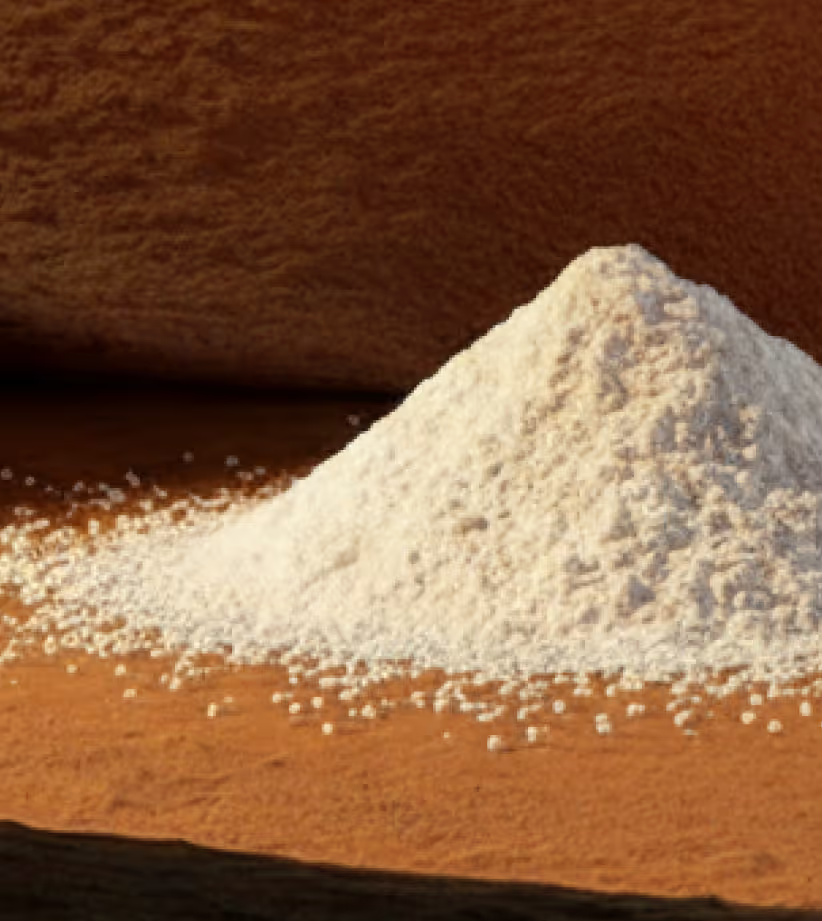


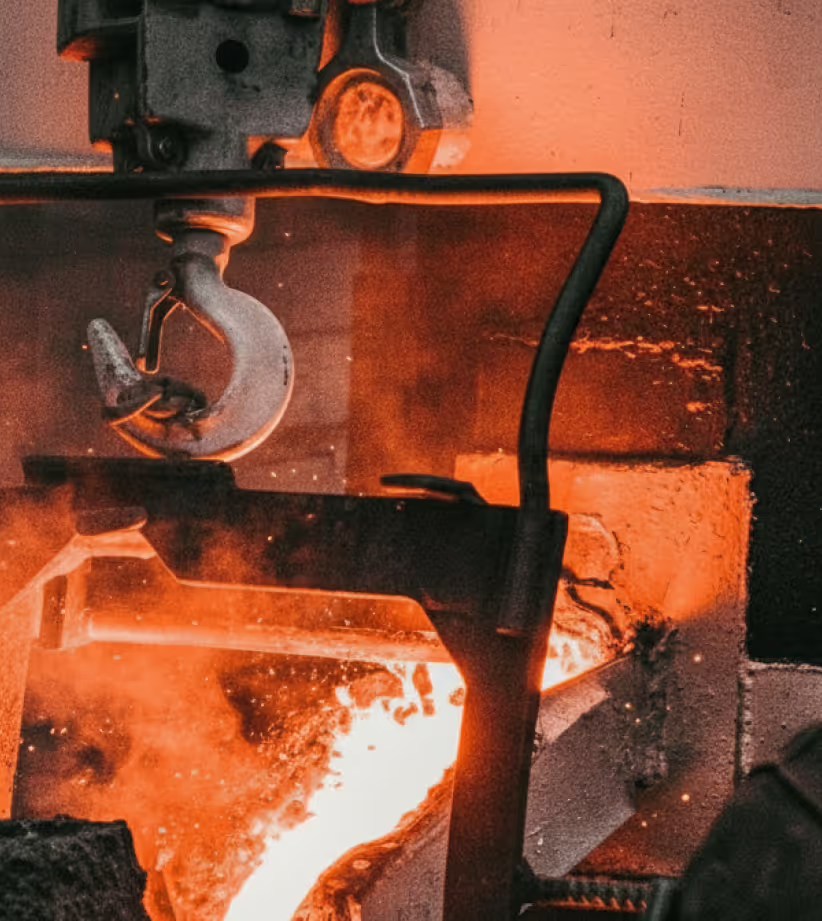



In power generation and energy recovery, calcium-based sorbents neutralise sulphur dioxide and acidic combustion gases at source. Feed quality determines sorbent utilisation and scrubber reliability. Variability in chemical composition or particle size introduces inconsistency in capture rates. Controlled calcium inputs support stable, predictable desulphurisation across load conditions.
Current applications supported by our lime products
CFBC Boiler — In-Furnace Desulphurisation
Application context
Process impact
Common requirements
- In-furnace SO₂ capture at source
- Optimised Ca/S utilisation ratio
- Stable bed temperature & combustion control
- Reduced downstream FGD load
- Handles variable fuel sulphur content
Applicable products
Flue Gas Desulfurisation (FGD) Sorbent
Application context
Process impact
Common requirements
- Optimises Ca/S ratio for peak capture
- Reduces sorbent consumption per cycle
- Minimises internal scaling formation
- Enhances reagent utilisation efficiency
- Ensures continuous emission compliance
Applicable products
Boiler Injection & Furnace Emission Control
Application context
Process impact
Common requirements
- Source-level sulphur & acid gas control
- Improved fly ash handling behaviour
- Reduced fireside corrosion risk
- Thermal efficiency across load cycles
- Stable continuous emission outputs
Applicable products
Qualification and technical support
Materials are produced under defined process parameters and supported by technical documentation for evaluation and qualification.
Defined material specifications

Controlled processing parameters
Batch traceability

Technical evaluation support

FAQs
If you have questions about lime products, specifications, or typical applications, the answers below address some of the most common topics. For anything more specific, our technical team is happy to help.

What role does limestone quality play in emission control and scrubber reliability?
High CaCO3 purity with low impurity levels ensures stable scrubber chemistry, reduces scaling and fouling, and supports long-term operational reliability. This protects emission performance and plant uptime.
How does particle size influence sorbent performance and sulphur capture efficiency?
Controlled particle size optimises dissolution rate and reactive surface area. This maximises sorbent utilisation, reduces reagent consumption, and maintains consistent capture efficiency across varying load conditions.
Can limestone quality influence the commercial grade of FGD gypsum produced?
Consistent chemical purity and low contaminant levels in feed limestone directly affect the grade and marketability of FGD gypsum, enabling power plants to recover value from desulphurisation by-products.