

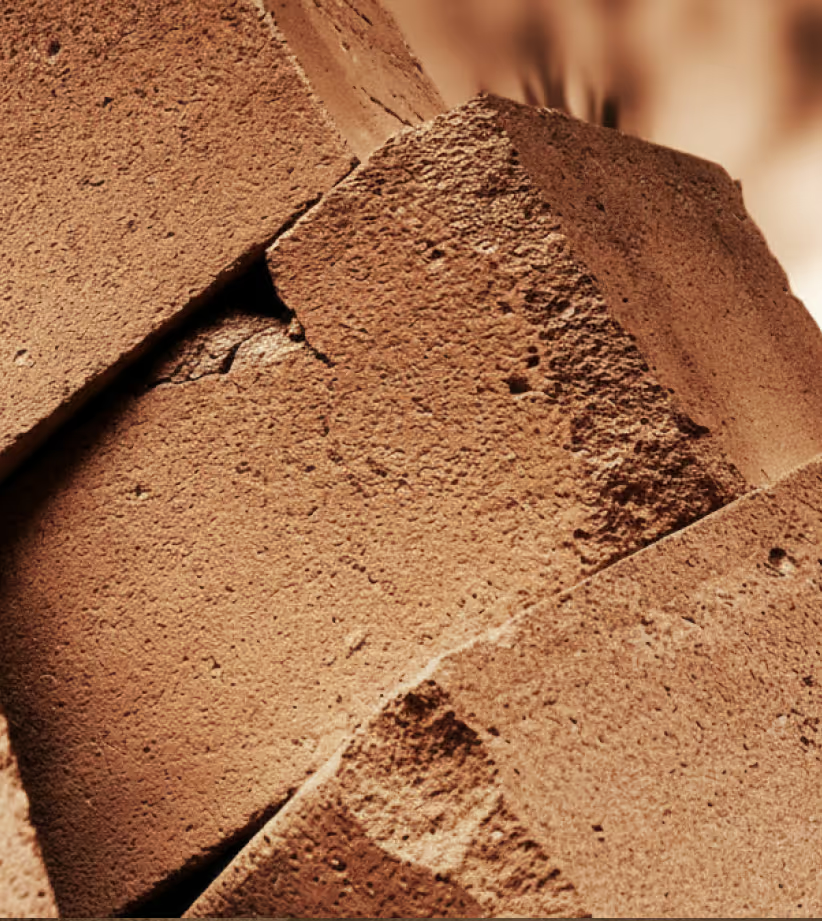



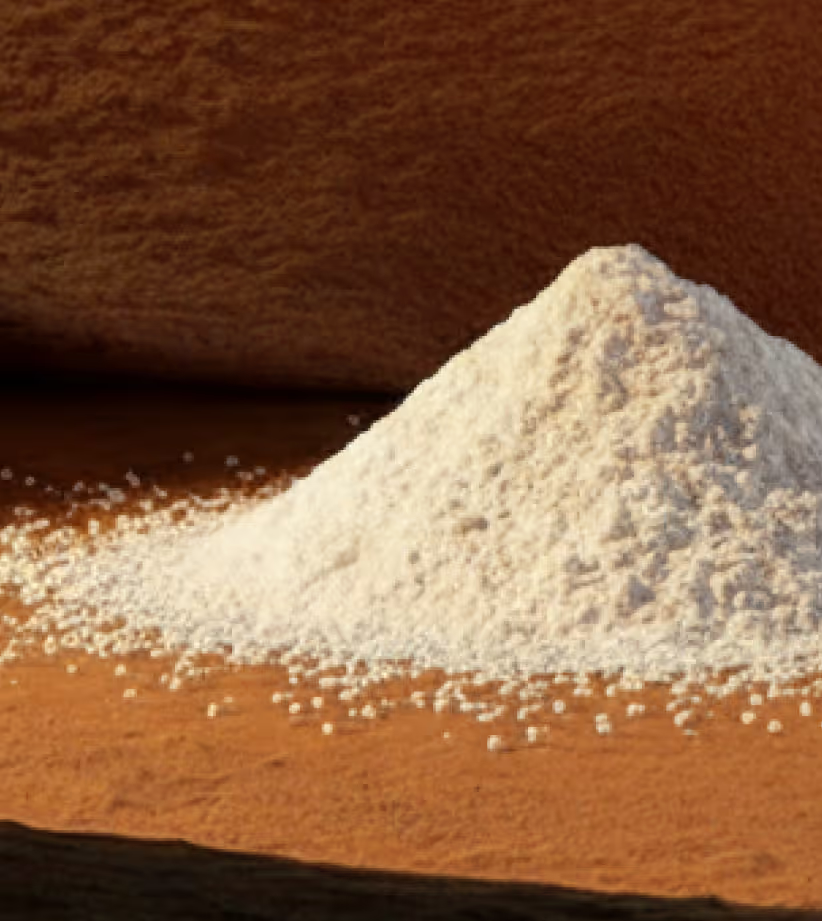


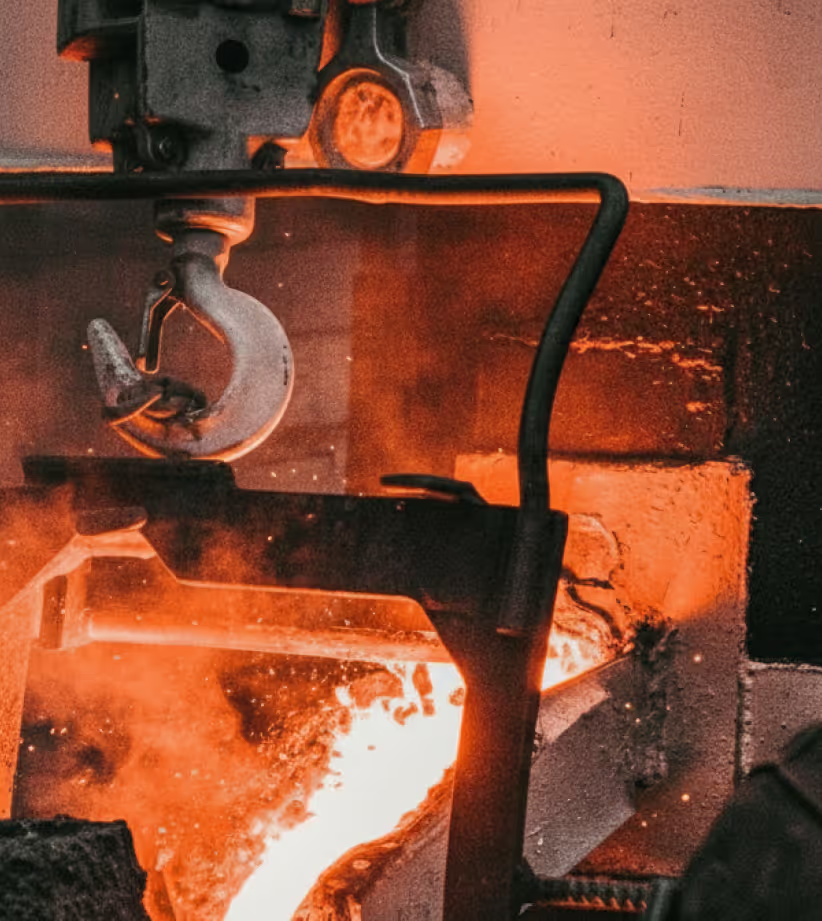

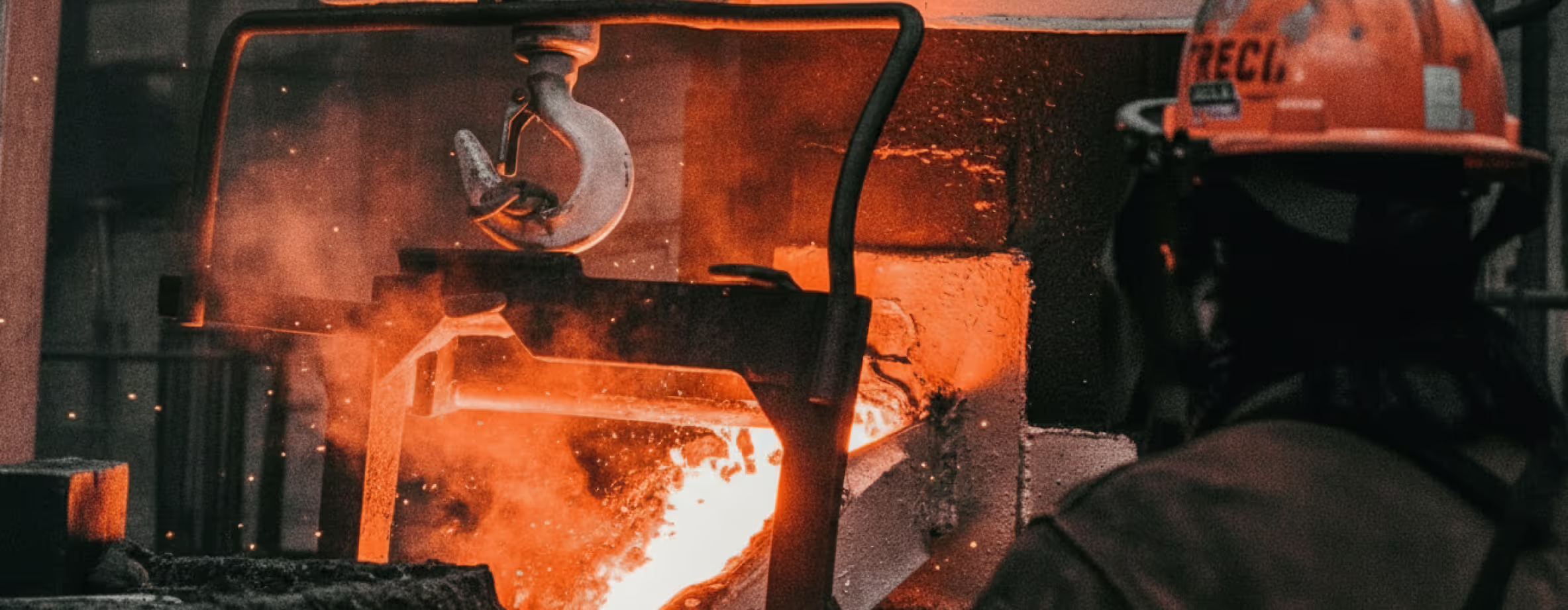

In steelmaking and metallurgical processing, calcium-based materials control slag chemistry, support impurity removal, and stabilise melt behaviour. Limestone inputs influence refining efficiency, thermal performance, and final metal quality. Variability in feed composition introduces process instability. Controlled calcium inputs reduce that variability and support predictable output across ferrous and non-ferrous operations.
Current applications supported by our lime products
Iron Ore Sinter Fluxing
Application context
Process impact
Common requirements
- Improves sinter strength & bed permeability
- Stabilises CaO input across sinter batches
- Reduces return fines and process losses
- Supports uniform, high-throughput sintering
Applicable products
Slag Conditioning in Steelmaking
Application context
Process impact
Common requirements
- Improves slag flow behaviour & tapping stability
- Enhances phosphorus and sulphur removal
- Supports thermal efficiency across heat cycles
- Reduces refractory wear and operational downtime
Applicable products
Metallurgical Flux — Non-Ferrous
Application context
Process impact
Common requirements
- Enhances slag-metal separation efficiency
- Improves overall metal recovery yield
- Supports stable furnace operation
- Reduces process variability and refining losses
Applicable products
Qualification and technical support
Materials are produced under defined process parameters and supported by technical documentation for evaluation and qualification.
Defined material specifications

Controlled processing parameters

Batch traceability

Technical evaluation support


FAQs
If you have questions about lime products, specifications, or typical applications, the answers below address some of the most common topics. For anything more specific, our technical team is happy to help.

What role does limestone play in iron ore sintering?
Limestone controls sinter basicity, strengthens bonding of ore fines, and improves reducibility. Consistent feed quality supports stable blast furnace operations.
How does limestone affect slag performance in steelmaking?
Reactive calcium from limestone optimises slag chemistry, supports impurity absorption, and reduces process variability across heats.
How does limestone quality affect furnace efficiency?
Consistent chemical composition and controlled particle sizing reduce slag fluctuations. This supports thermal stability and repeatable metallurgical output.