







What it is
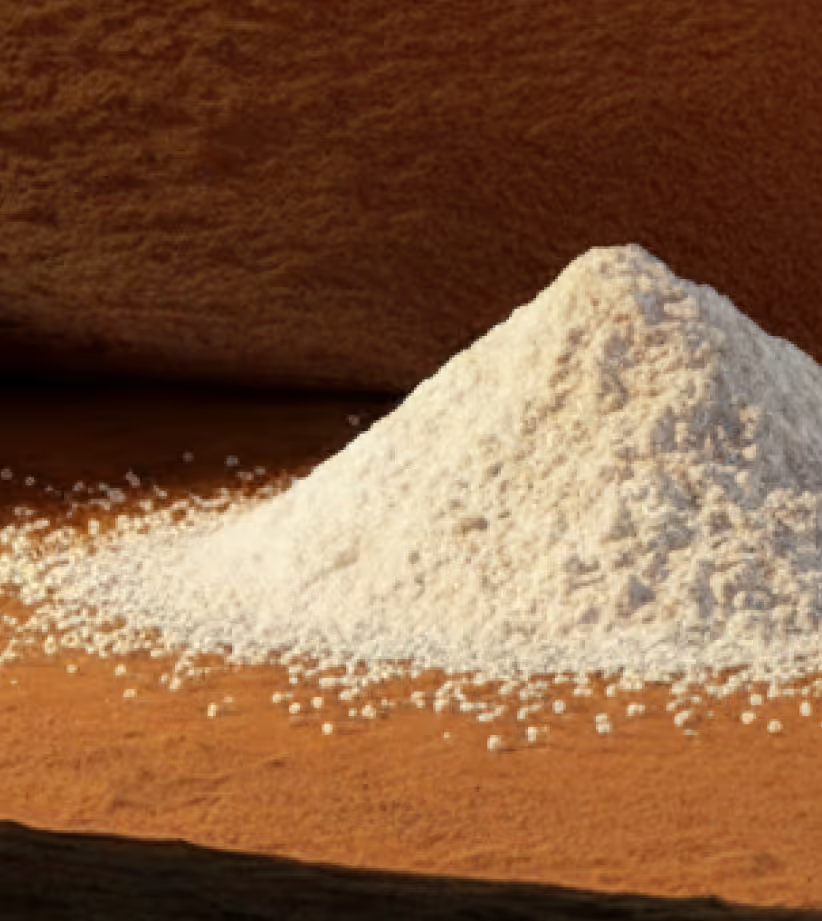
High-purity, precision-graded limestone formulated to deliver controlled CaO input into float glass batch systems — where chemistry consistency, melt viscosity stability, and furnace predictability define production output quality.
What it does
- Stabilises batch chemistry and reduces melt-to-melt variability
- Regulates melt viscosity profile for consistent forming behaviour
- Controls iron-driven colour variation within the glass matrix
- Enhances silica network stability for mechanical and optical performance
- Supports continuous, high-rate furnace operation with predictable thermal behaviour
Where it’s typically used
Float glass furnaces and architectural glass production lines where controlled CaO input, optical consistency, and furnace stability are process-critical requirements.
Quality options
- CaO ≥ 53%
- Fe₂O₃ ≤ 0.06%
- MgO ≤ 1.5%
- SiO₂ ≤ 2.0%
Size
- 0.125 – 2.0 mm
- 0.25 – 1 mm
- Controlled top-cut
- Optimised PSD available
Applications
- Controlled CaO input for float glass batch composition
- Melt viscosity regulation for continuous high-rate processing
- Silica network stabilisation for mechanical durability and chemical resistance
- PSD-aligned feed for furnace thermal consistency and reduced melt defects
FAQs
If you have questions about limestone products, specifications, or typical applications, the answers below address some of the most common topics. For anything more specific, our technical team is happy to help.

Why do float glass producers trust Glass Pure for batch control?
CaO ≥ 53% with Fe₂O₃ ≤ 600 ppm delivers chemistry precision that protects furnace stability and eliminates colour drift — batch after batch.
How does Glass Pure reduce operational risk in continuous glass lines?
Its PSD-optimised feed aligns with continuous melt systems, sustaining viscosity balance and thermal consistency without process interruption.
What makes Glass Pure the specification-grade choice for architectural glass?
Controlled top-cut sizing and ultra-low silica ensure the optical clarity and melt uniformity that architectural-grade standards demand.